Discarded polo shirts and leftover fabrics were given a new lease of life as MCAST fashion students presented their creations at a sustainable fashion workshop and show held at the Malta International Contemporary Art Space (MICAS).
The project was conceived by the Environment and Resources Authority (ERA) and was carried out in collaboration with the Malta College of Arts, Science and Technology (MCAST). It brought together students, educators and industry representatives to raise awareness on sustainable fashion by exploring how textile waste can be reduced through creative design and reuse.
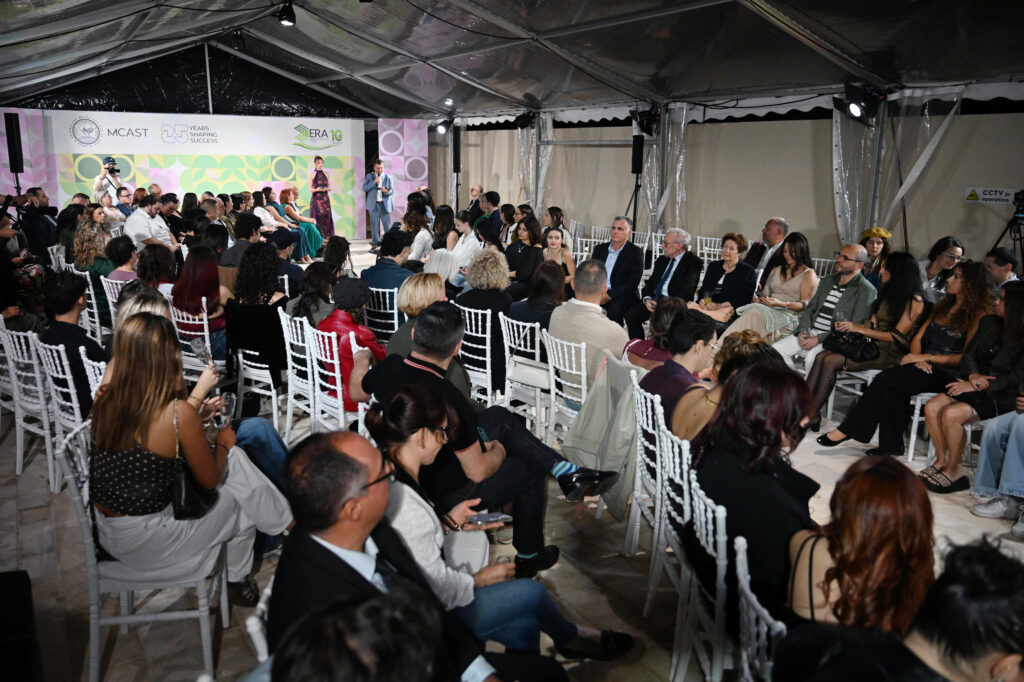
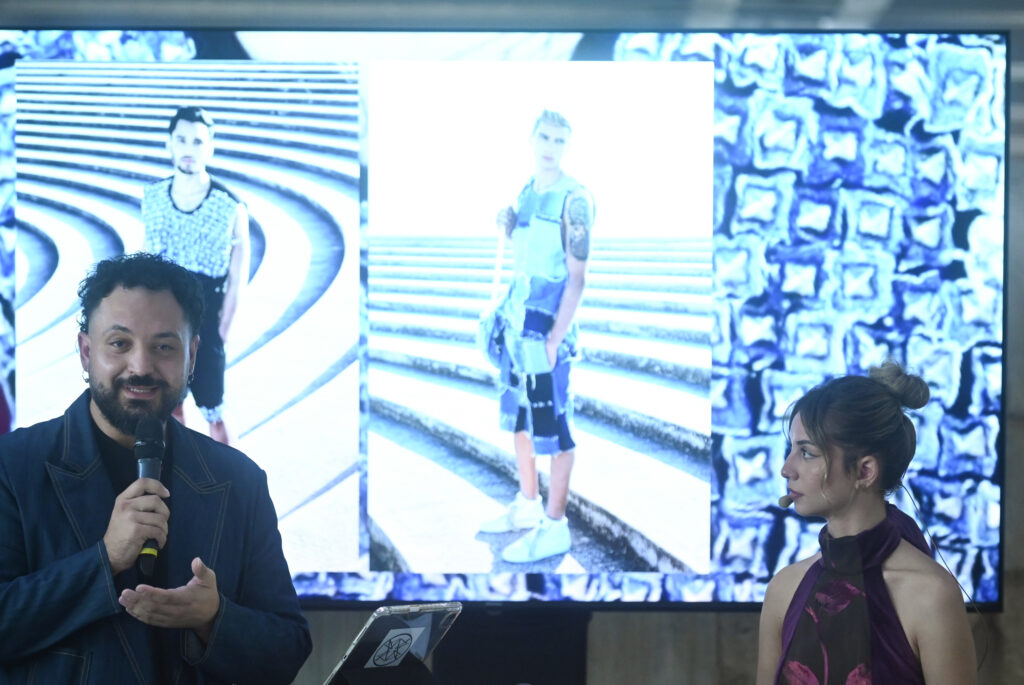
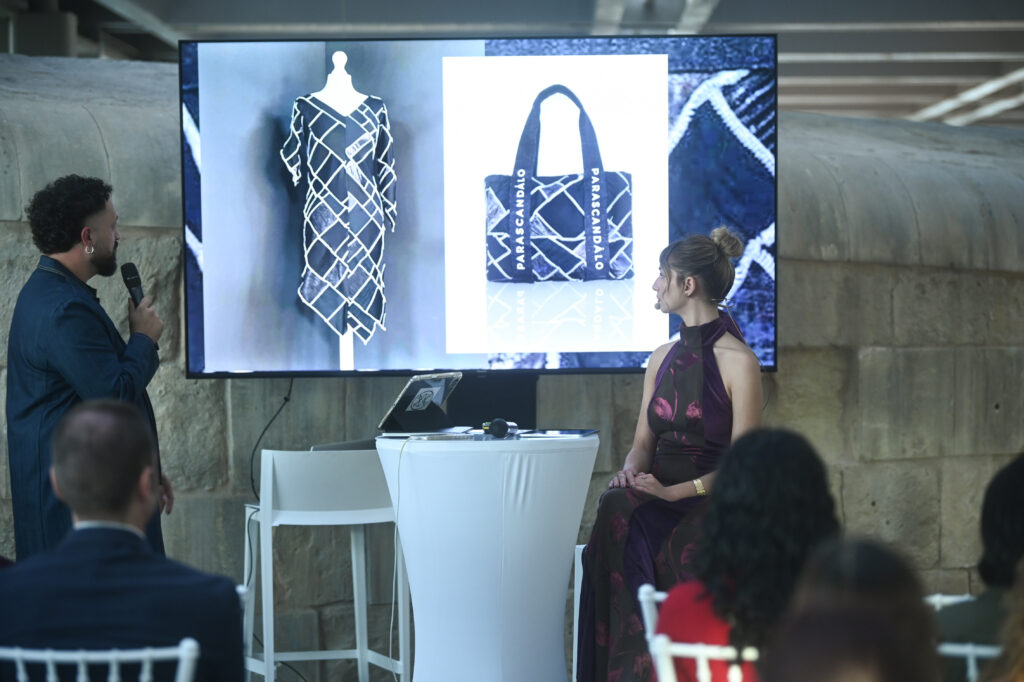
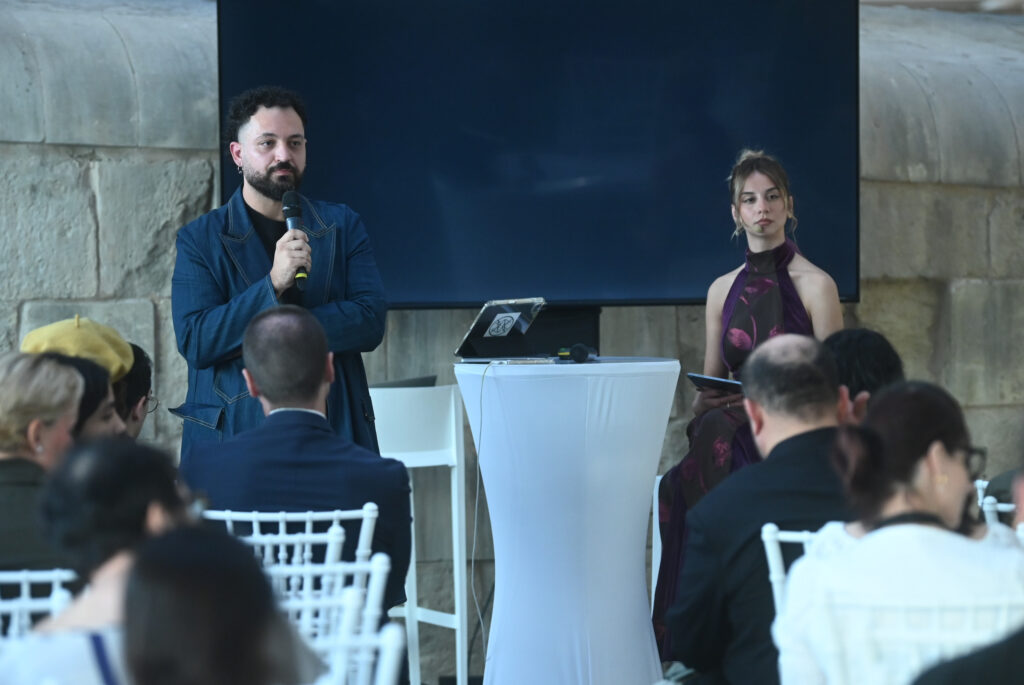
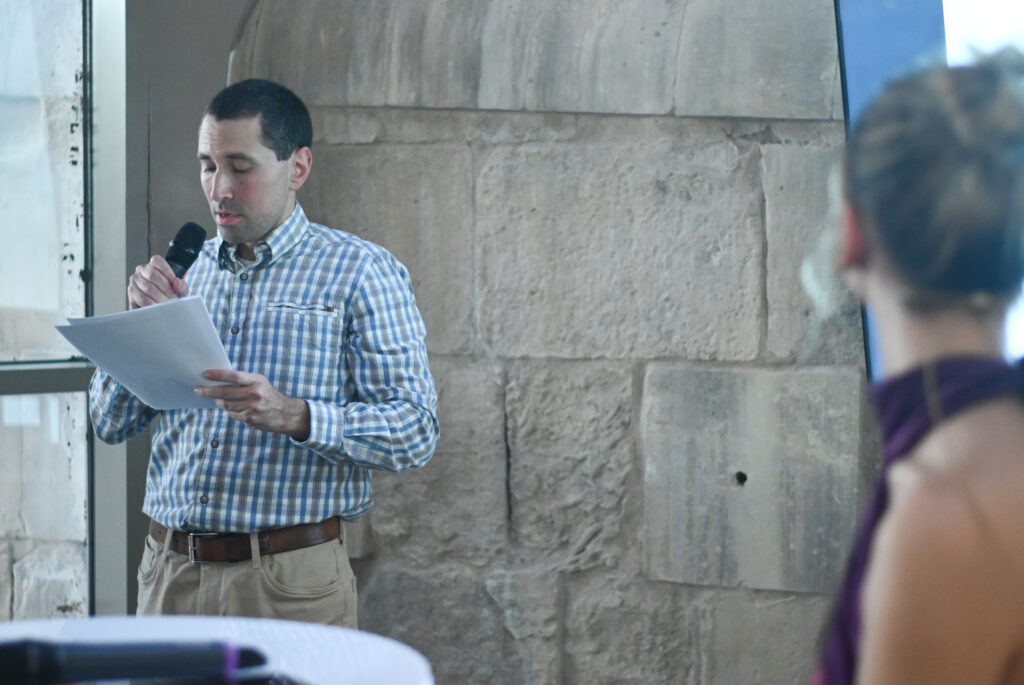
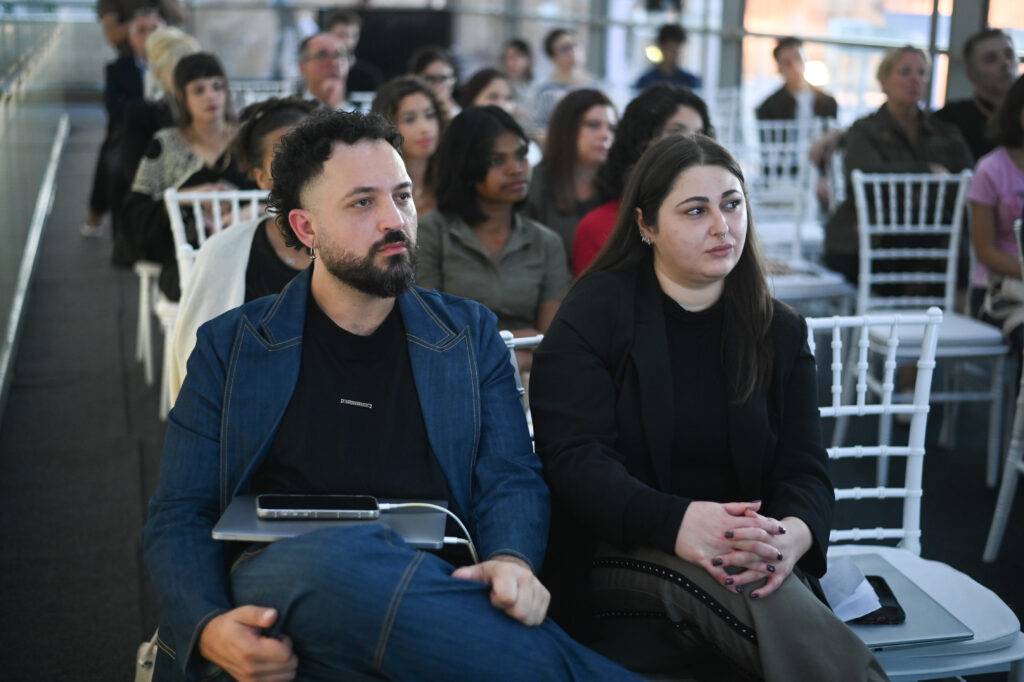
The event began with a workshop featuring MCAST alumnus and fashion designer Mauro Parascandalo, highlighting the role of creativity and practical skills in giving discarded materials a new purpose. Talks were also held by Circular Economy Malta and ERA, focusing on circular economy practices, sustainable resource management, and innovative approaches to waste reduction.
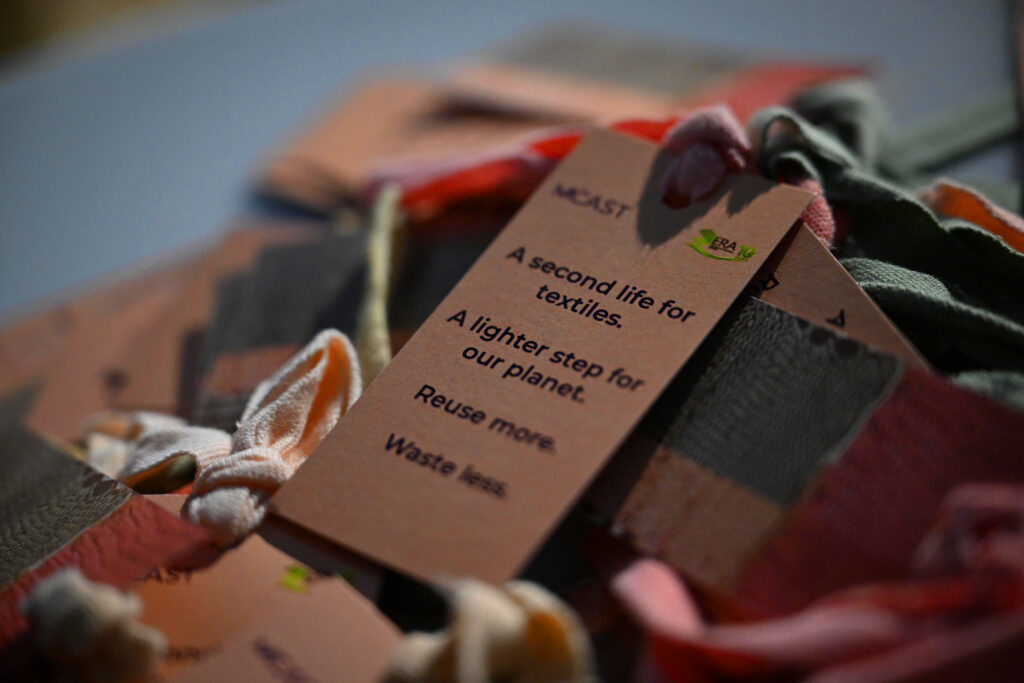
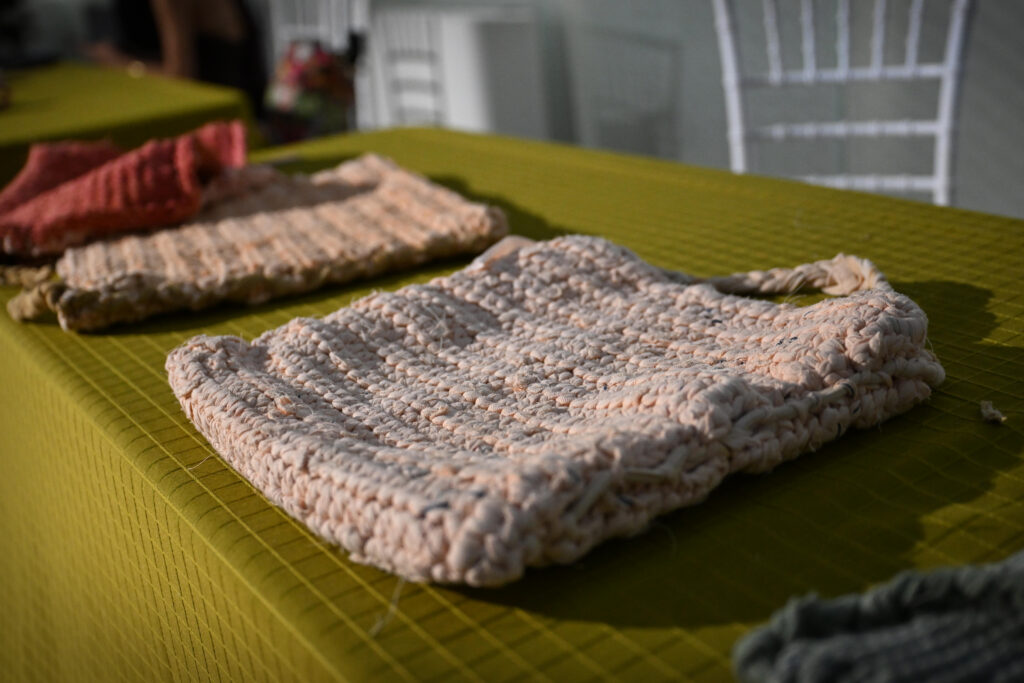
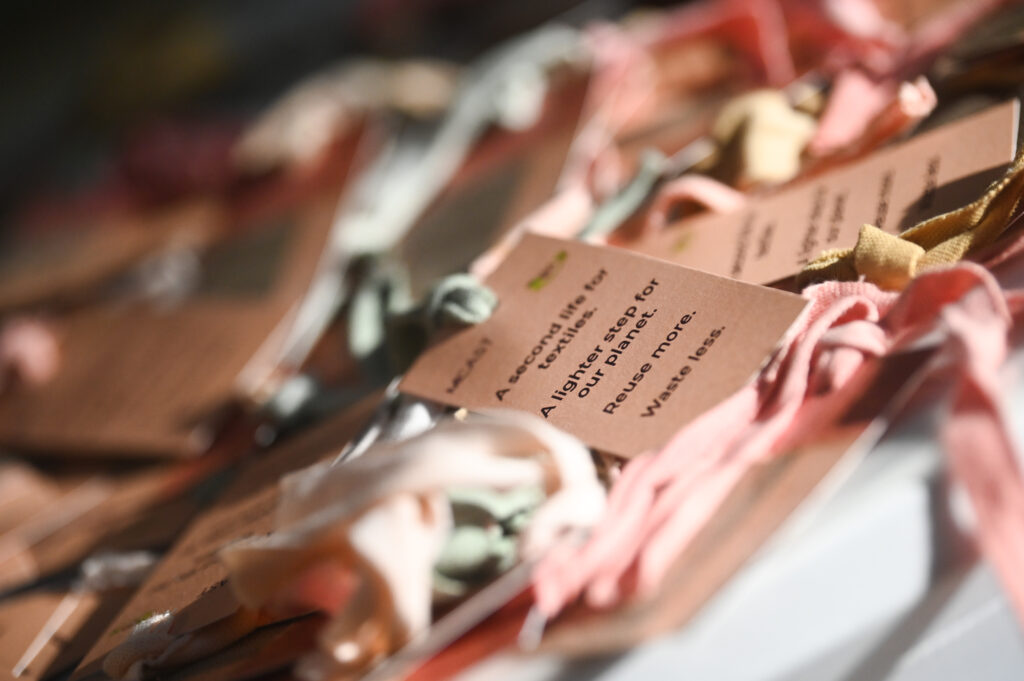
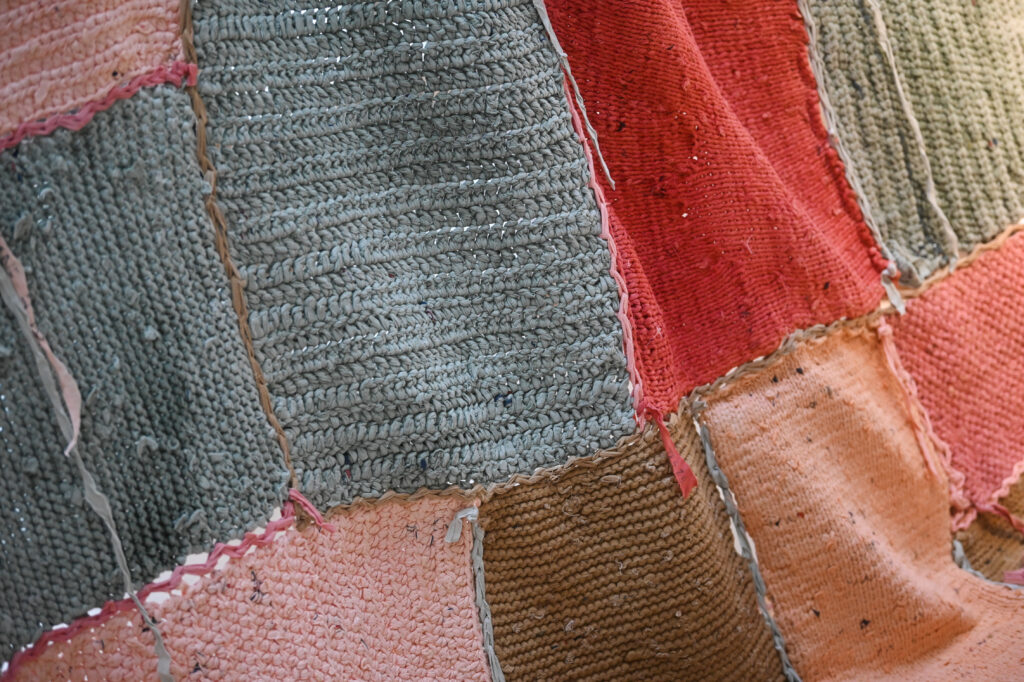
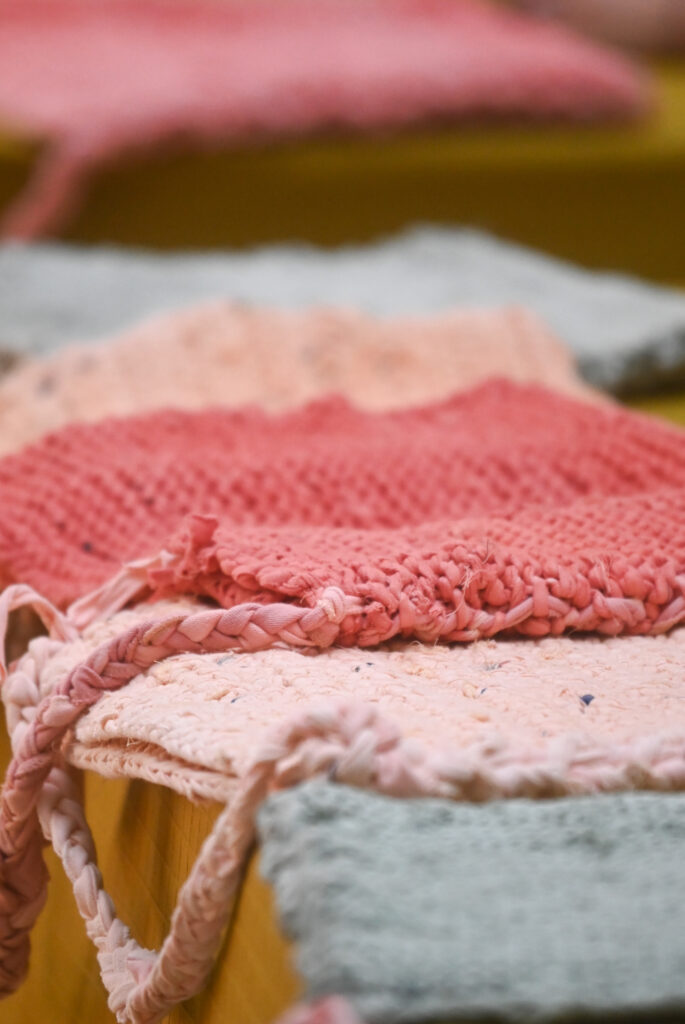
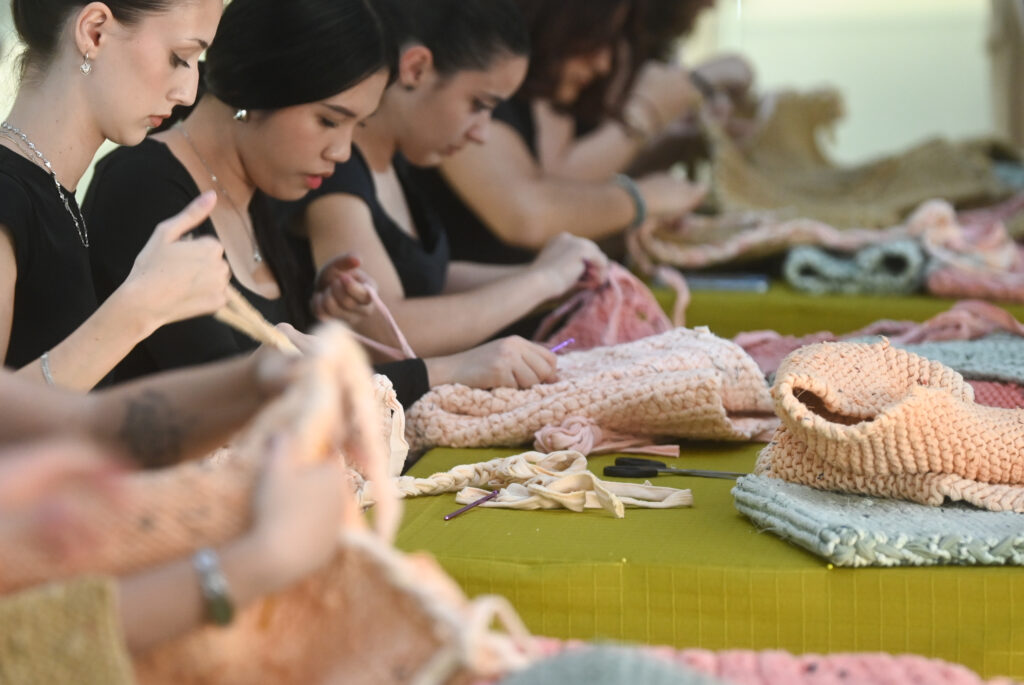
During the workshop, students demonstrated how an installation made from recycled cotton could be dismantled and transformed into reusable tote bags. The installation itself was created by transforming unused white Polo shirts into textile designs through knitting, crochet and macramé, using natural pigments sourced from India to dye the materials. Lecturers also undertook specialised training before introducing the techniques to students. Students had developed the installation following the Advanced Diploma in Fashion and Retail as part of their Creative Textile Techniques unit.
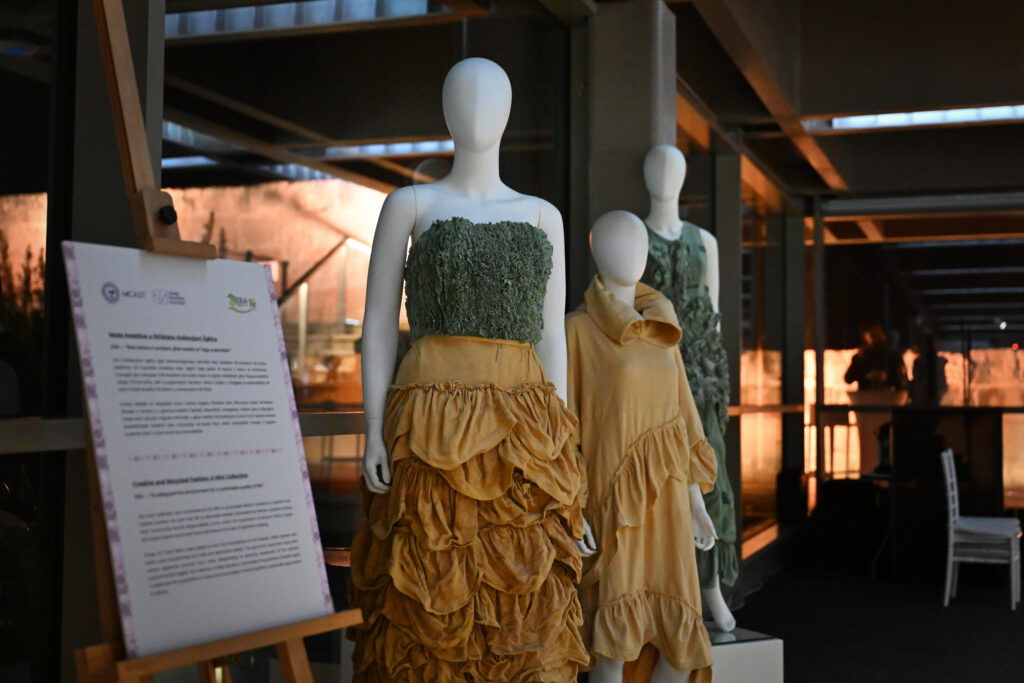
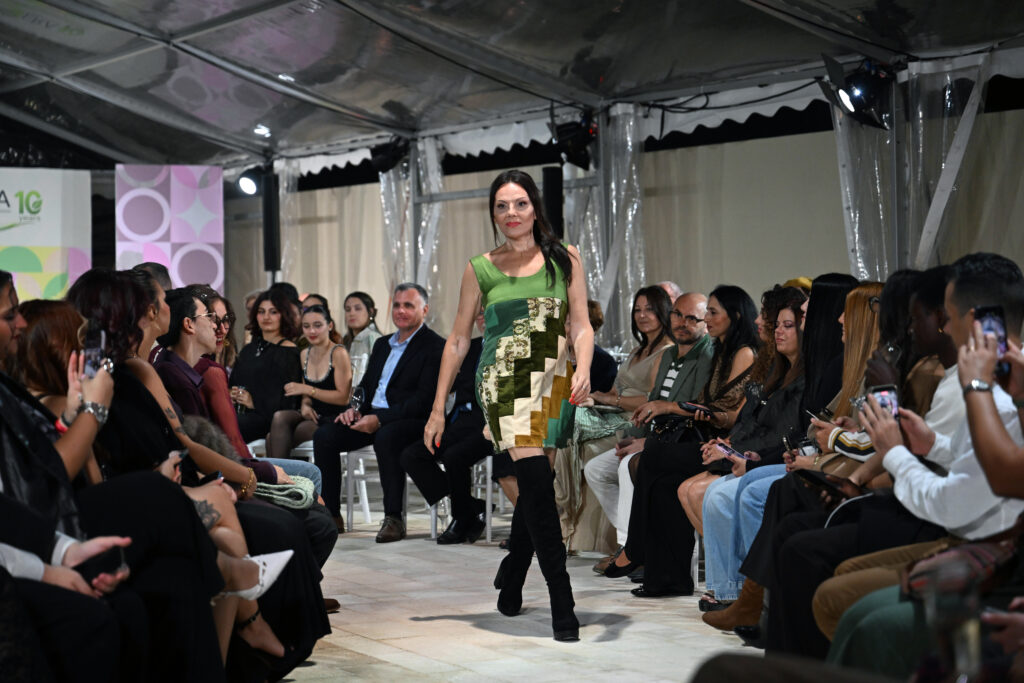
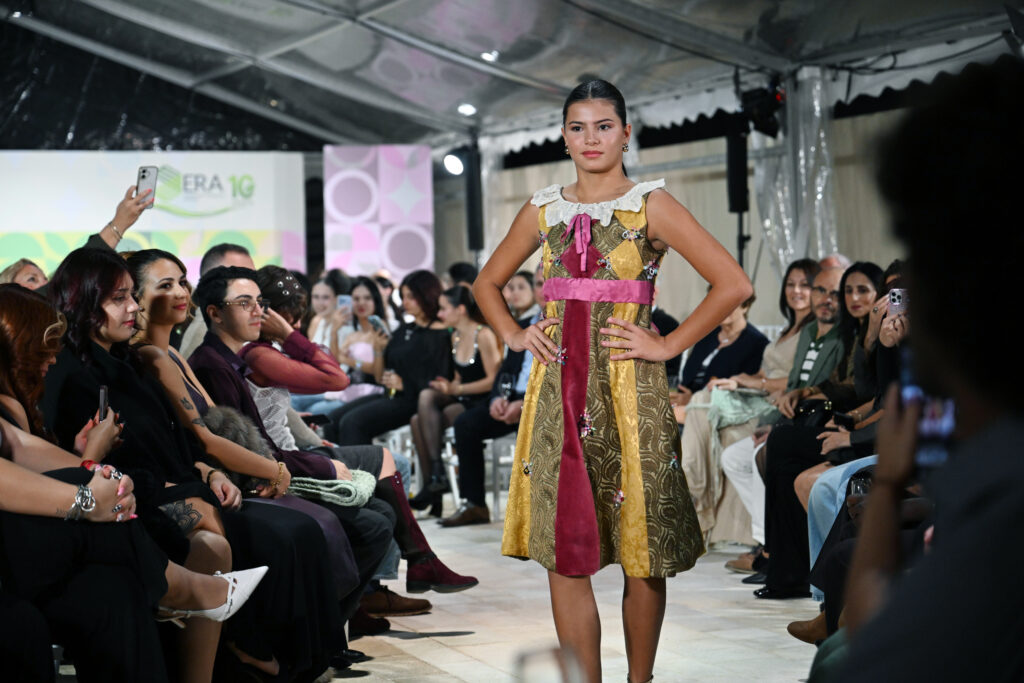
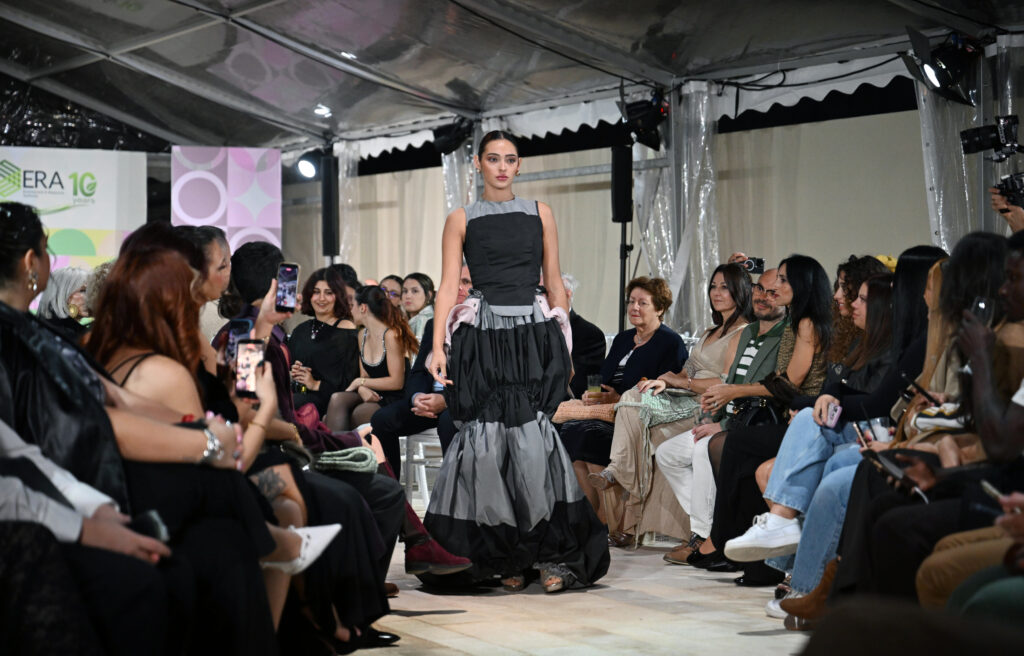
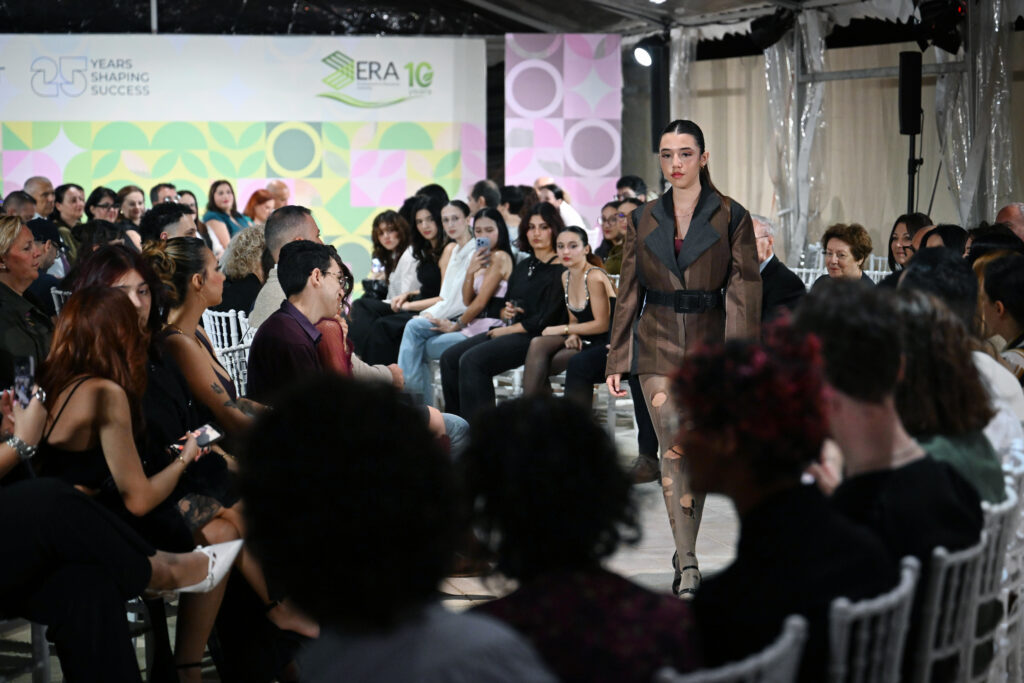
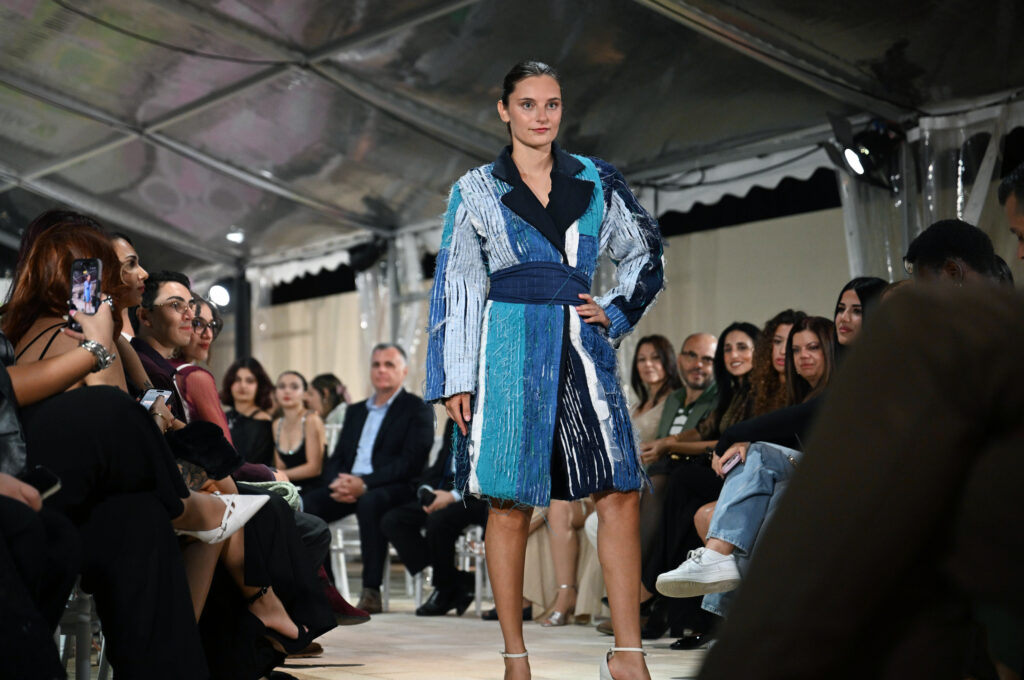
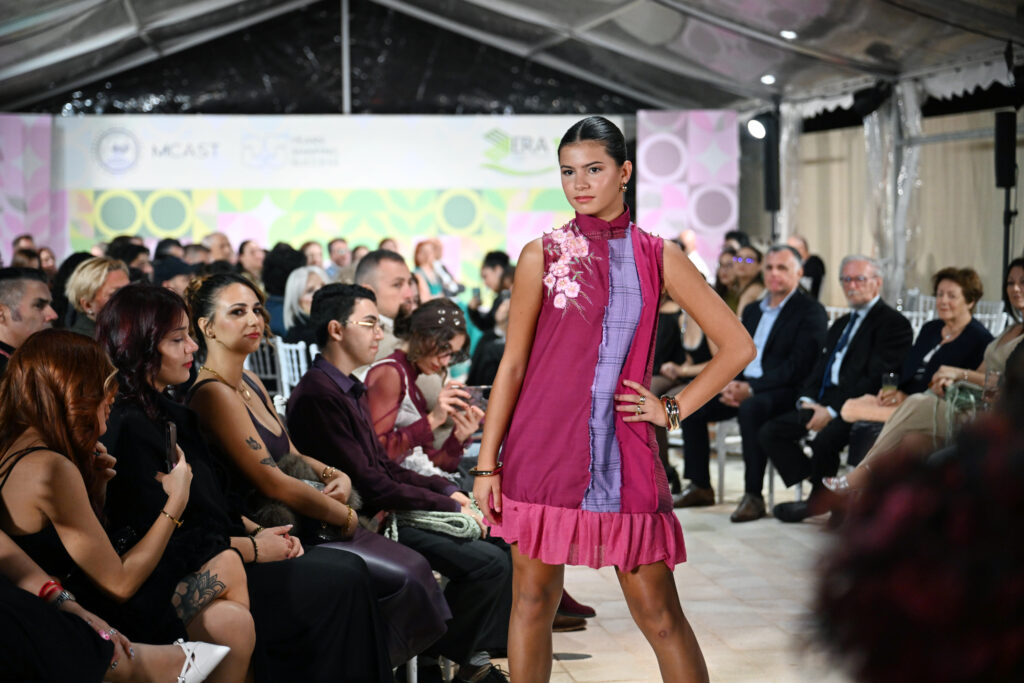
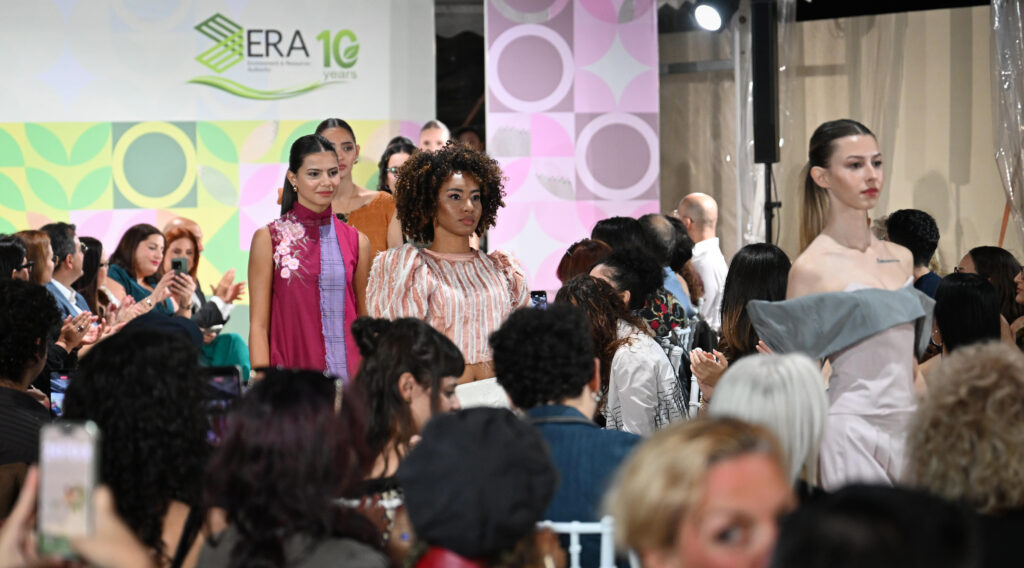
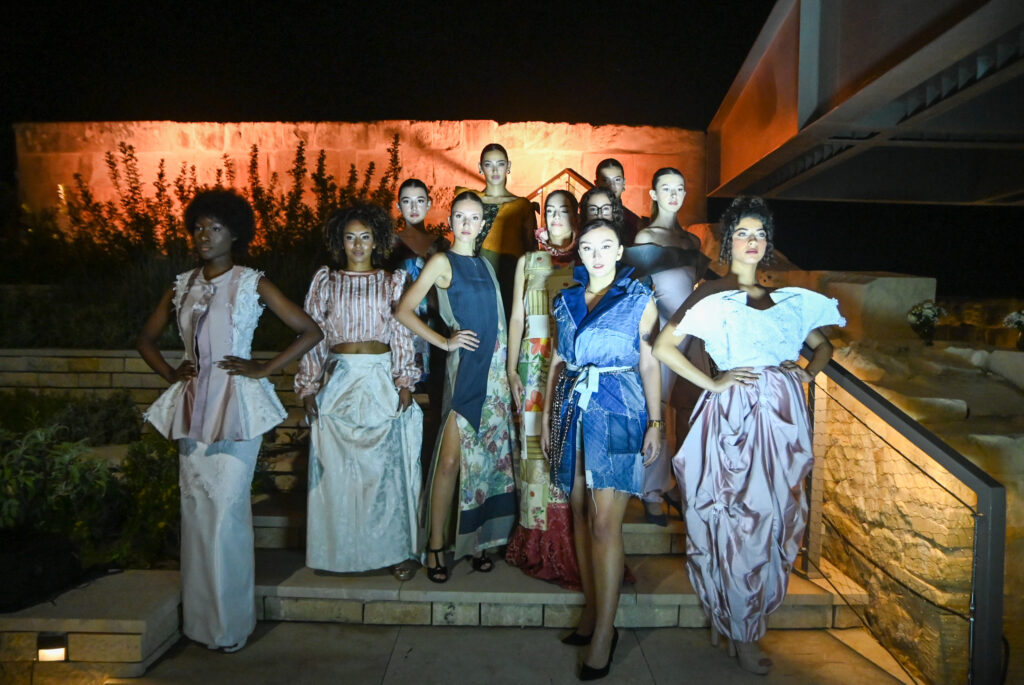
The workshop was followed by a fashion show featuring collections created by students from MCAST’s Institute for the Creative Arts. The garments made using 700 discarded Polo shirts and leftover fabrics demonstrated how materials that would otherwise be thrown away can be transformed into new designs.
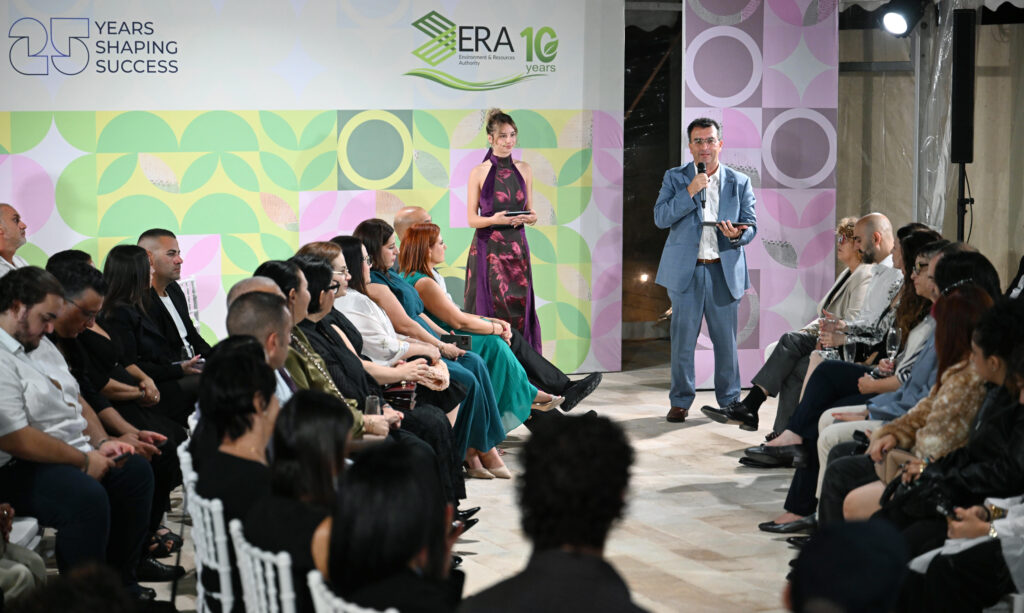
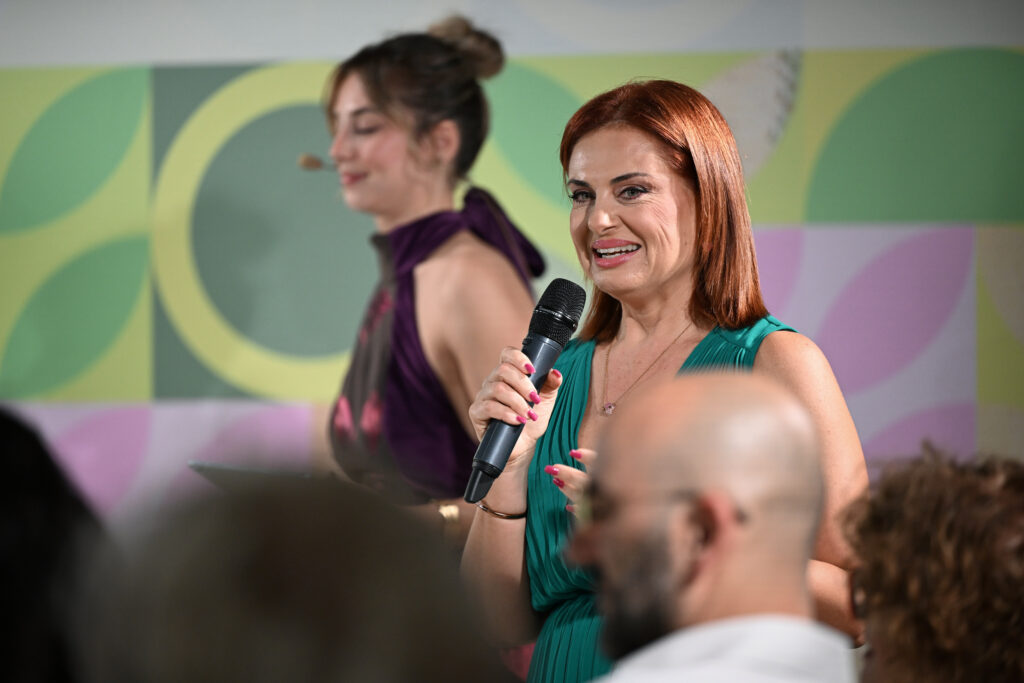
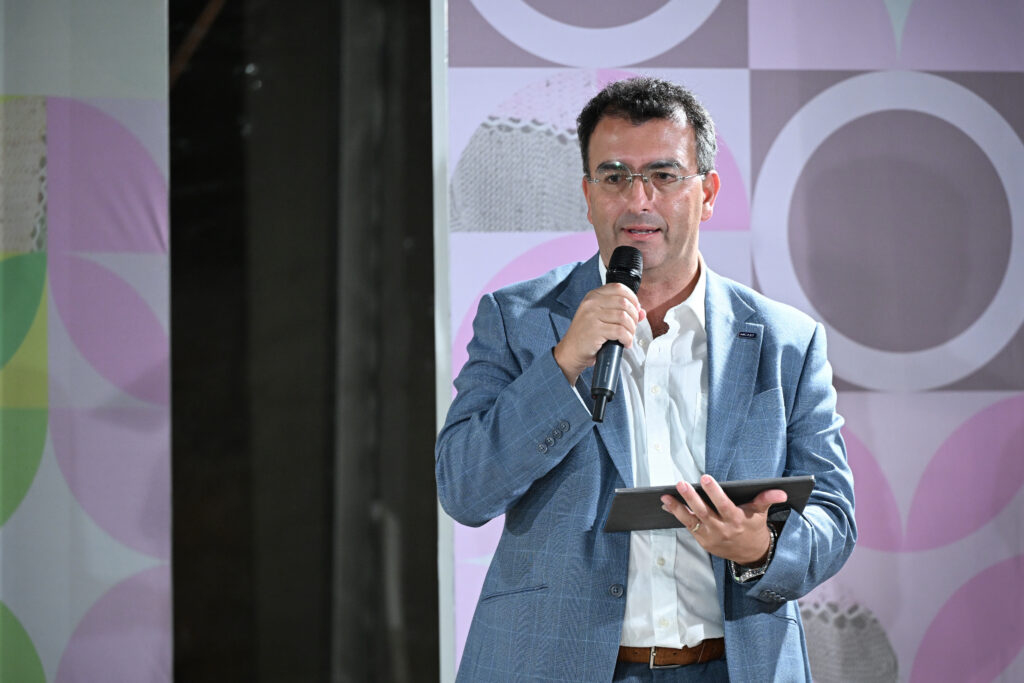
Speaking at the start of the fashion show, MCAST Deputy Principal Dr Ing. Stephen Sammut said the value of these initiatives goes beyond the finished designs.
“We take on projects like this not because they are easy, but because of what our students learn along the way. They are encouraged to experiment, question what seems obvious and see possibilities where others might only see waste.”
He added: “We have become used to buying, using and throwing things away. But something does not lose all its value simply because we no longer need it. Sustainability is not only about recycling or technology. It is also about how we think, what we value and the choices we make every day.”
Dr Ing. Sammut also referred to the College’s wider environmental research, including using artificial intelligence to study waste patterns across Malta, digital innovation in water technology and research into the effects of microplastics.
ERA Deputy Director Suzanne Gauci said, “What this project demonstrates is that sustainability does not limit creativity; it can inspire it. Through the talent and innovation shown by the students, materials that may have been considered waste were transformed into something new and valuable. It is a reminder that by rethinking how we use our resources, we can prevent waste and take practical steps towards a more circular and sustainable future”
Hairdressing students from MCAST’s Institute of Community Services also contributed by preparing the models’ hairstyles for the fashion show.
The collaboration comes as the European Union introduces measures to reduce textile waste and encourage greater responsibility for how garments are produced, used, and disposed of.
The success of this collaboration shows how tackling environmental challenges through partnerships across sectors can lead to sustainable decisions. By bringing together ERA’s environmental expertise and MCAST’s technical and creative talent, the initiative transformed discarded materials into a powerful example of how innovation, education and circular thinking can help reduce waste and inspire more sustainable choices.
23rd November 2026