A total of 50kg of litter was collected by ERA’s team across Golden Bay and Riviera Bay.

From plastics and hazardous waste to fishing gear and mixed waste, the results highlight the importance of continued collective action to protect our coastline.

Every effort makes a difference in keeping our beaches clean and our environment protected.

Organising a clean-up? Submit your results: https://shorturl.at/Rn1mC

4 May 2026

The Environment and Resources Authority (ERA) is marking its 10-year anniversary with a series of events showcasing its environmental governance, including a fun-filled day at Spencer Gardens in Marsa. The public event brought together educational activities, guided tours, and interactive exhibits highlighting ERA’s work to safeguard Malta’s environment.

Established following the demerger from MEPA in 2016, ERA has over the past decade developed national systems for environmental regulation, monitoring, and enforcement. Key indicators reflect the scale of this growth, including:

  1. The country’s Natura 2000 network and nationally protected sites have increased by more than 18% on both land and sea, underscoring ERA’s commitment to site protection at both legal and practical levels.
  2. Environmental permits processed annually have risen from a few thousand in 2016 to over 21,000 in 2025. Inspections have increased from around 700 to more than 8,000 per year, and administrative enforcement tools have led to over 9,000 enforcement actions over the past ten years. ERA also continues to shape national environmental policy, with nearly 150 policy documents and legislative instruments issued for public consultation prior to adoption to guide and support the government and other entities.

At the event, ERA also partnered up with author Mark Marshall to launch the children’s book ‘The Brilliant Bee’, showcasing the intrinsic link of a healthy environment and the importance of educating children and the general public.

Celebrating 10 years of ERA offers a key chance to acknowledge the Authority and its committed team. Over the last decade, ERA has focused on evidence-based decisions, enforcement, and policy initiatives. Much of this work happens quietly but is essential, as it supports biodiversity conservation, sustainable natural resource management, and enhances community quality of life,” Minister Dalli stated.

ERA chairman Perit Vincent Cassar described the past decade as a period of institutional development:

“ERA has focused on establishing strong foundations for environmental governance over the past decade. The designation of protected areas has been accompanied by ongoing management measures, including habitat restoration, monitoring, and enforcement. The Authority will continue to strengthen these efforts to ensure that protection is both effective and sustained over time.”

Environmental monitoring systems have also expanded, including air quality networks, biodiversity programmes, and marine assessments. At the same time, new tools such as public dashboards, geoportals, and environmental databases have been introduced to improve access to information and support evidence-based decision-making.

Looking ahead, the Authority is advancing a number of initiatives, including a National Restoration Plan, updated air quality plans aligned with stricter EU standards, and targeted measures to reduce waste, particularly food waste.

ERA CEO Kevin Mercieca emphasised the Authority’s long-term role:

“Ten years ago, ERA was established as a dedicated regulator in response to the growing complexity of environmental governance. Since then, the Authority has built the systems, expertise, and institutional capacity required to address a wide and evolving environmental mandate. Our work today spans every dimension of the natural environment, supported by technical expertise, monitoring systems, and a strong regulatory framework. Crucially, none of these achievements would be possible without ERA’s officers. Their expertise, commitment, passion and above all, dedication are the pillars of the Authority.  As environmental pressures continue to intensify, the focus remains on ensuring that these systems deliver effective protection in practice. The environment does not wait, and neither do we,” Mr Mercieca said.

23 April 2026

An additional €4.6 million in funding has been secured for the conservation of the marine environment through EU co-financing, following the successful launch of the ‘Marine Conservation – An Inclusive Approach to Managing Marine Resources” project in February 2025.

This funding will be used to build on the first phase in project EMFAF.P1.209, further implementing the activities proposed under that project while also introducing new actions within the same set of Work Packages.

Such new actions include:

  • Supporting the recovery of underwater habitats, particularly seagrass meadows, by reducing seabed damage and testing practical restoration solutions
  • Launching an accessible digital platform so the public can follow the health of the marine environment over time
  • Raising awareness and providing clear guidance to promote consistent, science-based marine decision-making
  • Delivering targeted scientific studies to inform sustainable fisheries management in protected marine areas

The project will continue to advance the implementation of management measures adopted by Malta for marine Natura 2000 sites, and Programmes of Measures under Marine Strategy Framework Directive and Water Framework Directive processes. The overall goal is to maintain or achieve Favourable Conservation Status of marine habitats and species within marine Natura 2000 sites, as well as Good Environmental Status in wider marine areas in line with EU policy objectives.

An ecosystem-based approach to management underpins the project, addressing human activities in an integrated manner through the active engagement of relevant stakeholders. The core objective of the management processes is to support a shift towards the sustainable use of the marine environment, while actively promoting the restoration of disturbed or deteriorated habitats and species.

Through these efforts, the project aims to contribute to the protection and restoration of marine biodiversity and ecosystems in Maltese waters.

For more information, please utilise the following links:

This project is co-financed by the EU under the European Maritime, Fisheries and Aquaculture Fund 2021-2027. 


12 February 2026

Malta’s first-ever geological park at Dwejra-Qawra area in Gozo to be governed by new conservation regulations and Steering Committee

New regulations will govern Malta’s first-ever geological park at the Dwejra Bay area in Gozo and the surrounding environment of il-Qawra tad-Dwejra.
A public consultation on these regulations was launched during an educational walk at Dwejra Bay with the participation of Ministers Miriam Dalli and Minister Clint Camilleri together with ERA CEO Kevin Mercieca, Local Council representatives, Eco-Gozo representatives, local schoolchildren amongst other stakeholders.

The Dwejra-Qawra zone in Gozo hosts a number of important geological and geomorphological features with its coastal cliffs, stacks, its picturesque Inland Sea, valleys and reefs. The new regulations designate this part of western Gozo as a Site of Geological Importance, laying down rules intended at conserving and protecting this area of natural beauty and its unique geological features.

With the proposed rules, the Dwejra Steering Committee will assist ERA and Eco Gozo to implement conservation measures on controlling light pollution and the permitting of recreational activities in the protected area.
These include restrictions on harmful or potentially harmful activities that could affect the biodiversity, geological, and landscape features at Dwejra and the western cliffs of Gozo. Such restrictions include any dumping of waste material, species protection, taking of fossils, offroading as well as regulation of camping and kindling of fires in more sensitive areas. Restrictions on light and noise pollution for the Dwejra area already exist for mariners, but these will now extend inland to prohibit light projections on the cliffs or loud music, or any unnecessary noise within the terrestrial part of protected site. Nearby vessels will also have to switch off all external lights between sunset and sunrise of the following day, except for lights strictly required for safety onboard, for safe navigation purposes or for fishing. While camping fires are allowed in the protected area, these will be prohibited in high-risk areas within the Natura 2000 site in the Il-Qawra zone, where key habitats have already suffered considerable damage due to fires in the last years.

The public consultation will receive submissions from stakeholders and other interested parties on the draft Dwejra Protection and Management Regulations, before these are officially published as a Legal Notice under the Environment Protection Act.

Minister Miriam Dalli said that the launch of the public consultation marks an important step in safeguarding one of Malta’s most iconic natural sites. “Dwejra is a place of exceptional geological, ecological and cultural value, not only for Gozo but for the whole country. These regulations are about conservation and responsible enjoyment, ensuring that this unique landscape is protected for future generations. Public participation is essential to make these measures effective and inclusive,” Minister Dalli said.

Minister Clint Camilleri stated that Dwejra is one of Gozo’s most important natural landmarks, and these regulations are essential to safeguard its unique geological and environmental value. He stressed the need for “a balanced approach that protects this site while allowing for responsible enjoyment and I welcome the public consultation as a key step towards transparency and sustainable management for the benefit of present and future generations.”
ERA’s Chief Executive Officer Kevin Mercieca said the public consultation will be essential for ERA to analyse submissions and amend the proposed regulations if necessary. “We welcome the public’s interest in ERA’s public consultations – key stakeholders, NGOs and members of the public have been instrumental in fine-tuning our environment regulations, and we take on board their concerns as much as possible, while also considering socio-economic realities,” Mercieca said.

ERA urges those who wish to participate in this public consultation by visiting https://era.org.mt/dwejra-protection-and-management-regulations-2026/ for more information. The public consultation is open until the 3rd of March 2026.

3 February 2026

The Environment and Resources Authority (ERA) would like to inform you that entries for the 2026 edition of the ERA Awards will be open on February 1st. The Awards continue to recognise outstanding contributions towards environmental protection and sustainability in Malta.

Building on the successful previous editions, the ERA Awards once again invite submissions from organisations, businesses, public entities, voluntary groups and educational institutions that are actively making a positive environmental impact.

This year’s awards will continue to feature a range of categories that celebrate innovation, leadership, stewardship and environmental education, alongside established awards that recognise long-standing commitment and exceptional achievement in the environmental field.

The ERA Awards aim to highlight best practice, inspire wider engagement, and showcase initiatives that contribute towards a more sustainable future.

The deadline for submissions is the 28th of February 2026.

Further information on the awards themselves, eligibility requirements, and the application process is available at https://era.org.mt/era-topic-categories/era-awards/

28 January 2026

Ramla tal-Mixquqa (Golden Bay) and Ramla l-Ħamra beaches to have designated smoking areas

As announced earlier this year, from 1 January 2026 smoking will be prohibited on two of the most popular beaches in the Maltese Islands, except in designated areas within the beaches themselves.

Smoking will be banned on two beaches — Ramla tal-Mixquqa (Golden Bay) in Malta and Ramla l-Ħamra in Gozo — except in the designated smoking zones on the beach.

Signs at the entrances to each beach will inform the public that smoking is strictly prohibited unless it takes place in the designated smoking areas. These areas will be clearly marked with signs.

The smoking ban will be enforced by the police as well as by wardens from the Local Enforcement Systems Agency (LESA) and officials from the Environment and Resources Authority (ERA), the Environmental Health Directorate (EHD), and the Malta Tourism Authority (MTA).

Anyone who breaks the rules of smoking in the areas where smoking is prohibited on these two beaches will result in a fine of €150 — no warnings will be issued.

Through this system, smokers will still be able to enjoy the beach without disturbing others. Containers will be placed in each smoking area to help keep the beach clean.

Minister for the Environment and Energy, Miriam Dalli stated, “This initiative clearly emerged from several meetings and discussions I had with children. It is a concrete environmental measure aimed at addressing a persistent problem, namely cigarette butts that end up on the sand and in the sea and take many years to decompose. These butts cause serious harm to the marine ecosystem and sea life. Through this pilot project, we are taking an important step towards a cleaner and healthier coastal environment. This is another example of how we are working in a concrete way to protect our maritime environment.”

For his part, the Minister for Health and Active Ageing, Jo Etienne Abela, expressed his satisfaction with the prohibition of smoking on a number of beaches. Dr Abela explained that this measure will help achieve three very important goals: safeguarding the lives and health of the Maltese and Gozitan people, protecting the natural heritage of our country, and preserving the environment. “I am confident that this measure will help and be beneficial to citizens’ health when they visit these beautiful beaches,” concluded Minister Abela.

Kevin Mercieca, ERA Chief Executive Officer said, “Designated smoking areas allow us to better protect the coastal environment by reducing waste and plastic pollution that damage our marine ecosystems.”

Photos: MEEC

29 December 2026

Secondary school students engage in an educational session with the environmental regulator 

St Paul’s Islands (Selmunett) and the stretch of cliffs from iċ-Ċumnija to ix-Xaqqa have officially been declared Special Protection Areas (SPA), strengthening their existing status as Special Areas of Conservation (SAC). This upgraded status gives the two sites stronger legal safeguards to protect important wildlife, habitats and natural landscapes.

In total, this adds another 1.25 million square meters to the country’s list of Special Protection Areas — the size of about 175 football grounds.

This emerged during an educational session at Ġnien Spencer in Marsa with secondary school students, the Environment and Resources Authority (ERA), and the Minister for the Environment, Dr Miriam Dalli.

Through this designation, Malta is showing in practice its commitment to protect around 30% of the land under various environmental regulations.

During the session, the students engaged in different activities, learning how environmental protection works in practice and how it is implemented across the Maltese Islands to ensure that vulnerable species and habitats receive the attention and care they require.

“We are expanding our network of protected natural areas and strengthening safeguards for vulnerable species. The protection of these two sites contributes to our national biodiversity goals and aligns with our commitments under European and global sustainability frameworks,” the Minister stated.

Across Malta and Gozo, there are several types of protected natural areas, including Nature Reserves, Special Areas of Conservation (SAC), Special Protection Areas (SPA) and Sites of Scientific Importance (SSI). Each designation reflects the ecological value of the site and the level of protection required. The SPA status is one of the strongest forms of protection within the Natura 2000 network, providing enhanced legal safeguards and dedicated conservation measures.

Darrin Stevens, the Director for Environment & Resources within ERA,​ noted that ERA remain committed to working closely with all relevant entities, NGOs and the public to ensure the effective implementation of these measures.

The decision to declare these two sites as SPAs follows scientific research by BirdLife Malta through the LIFE PanPuffinus project, which confirmed an important breeding population of the Yelkouan shearwater (il-garnija). This seabird is protected under Maltese and EU law. The new designation means that conservation actions focused on this species will now be formally incorporated into site management plans, supported by ongoing collaboration between ERA, environmental NGOs, research partners and local stakeholders.

During the education session, students from St Margaret College Ġużeppi Despott Secondary School (Verdala, Cospicua) and St Ġorġ Preca College Ħamrun Secondary School participated in interactive quizzes, case studies and role-play exercises exploring the importance of protected areas and the work being done to safeguard Malta’s natural heritage. The activities emphasised how evidence-based conservation, public participation and learning opportunities play a vital role in shaping a more sustainable future.

23 November 2025


Balloons and confetti are part of life’s colourful moments, but when released into the sky, the plastic ones don’t just “float away”… they come back down as litter that harms our seas, and our wildlife.

Following consultation with the public and the stakeholders, the Environment and Resources Authority (ERA) has introduced new regulations to reduce the impacts of these products.

Under the new rules:
– No more open-air release of any type of balloons.
– No more open-air release of plastic confetti.
– No more selling or using plastic confetti (after a 6-month transition).

Good to Know:
– These regulations will come into force in 2 months time.
– Balloons can be used for celebrations: they just need to be weighted down.

These changes are part of Malta’s ongoing effort to reduce plastic litter and keep our island clean and beautiful!

View the regulations here :
– https://legislation.mt/eli/ln/2025/273/eng
– https://legislation.mt/eli/ln/2025/272/eng

28 November 2025

Legal Notice introducing smoking ban at two Natura 2000 beaches is published

A ban on smoking at two of Malta’s most popular beaches will take effect from 1 January 2026, in what is a decisive step to improve people’s health and reduce tobacco-related litter on coastal areas.

The ban on smoking will apply at Golden Bay (il-Bajja tal-Mixquqa) in Malta and Ramla l-Ħamra in Gozo, as per Smoking Control on Beaches Regulations, 2025 published on 23rd September 2025.

“This measure is part of a pilot project aimed at ensuring cleaner air, safer public spaces, and a healthier coastal environment. Smokers may still smoke within the designated smoking areas, ensuring that the rights of all visitors are respected,” said Kevin Mercieca, CEO at the Environment and Resources Authority.

The Smoking Control on Beaches Regulations includes maps of the two beaches, showing the areas designated as no-smoking zones. Smoking areas will be clearly marked and identified on the sites. The move also reinforces a nationwide ban, introduced 20 years ago, on smoking on all public transport, within all indoor public places and workplaces, schoolyards, playgrounds, and public gardens with play equipment for children.

The Superintendence of Public Health explained that the initiative reflects the government’s ongoing commitment to protect people from passive smoke.

“As part of our comprehensive tobacco strategy, the introduction of a smoking ban at Golden Bay and Ramla l-Ħamra is a significant step towards improving public health. This measure will substantially reduce exposure to harmful second-hand smoke, which is known to cause respiratory issues, cardiovascular diseases, cancer, and other serious health conditions,” Prof. Charmaine Gauci said. “This initiative is a crucial part of our commitment to promoting healthier lifestyles and preventing tobacco and other product-related illnesses, ultimately contributing to a healthier future for everyone.”

ERA honours environmental campaigners and green leaders with new awards

Environmental journalist Anne Zammit honoured with ERA’s Buonamico Award – four new awards introduced in 2025 edition

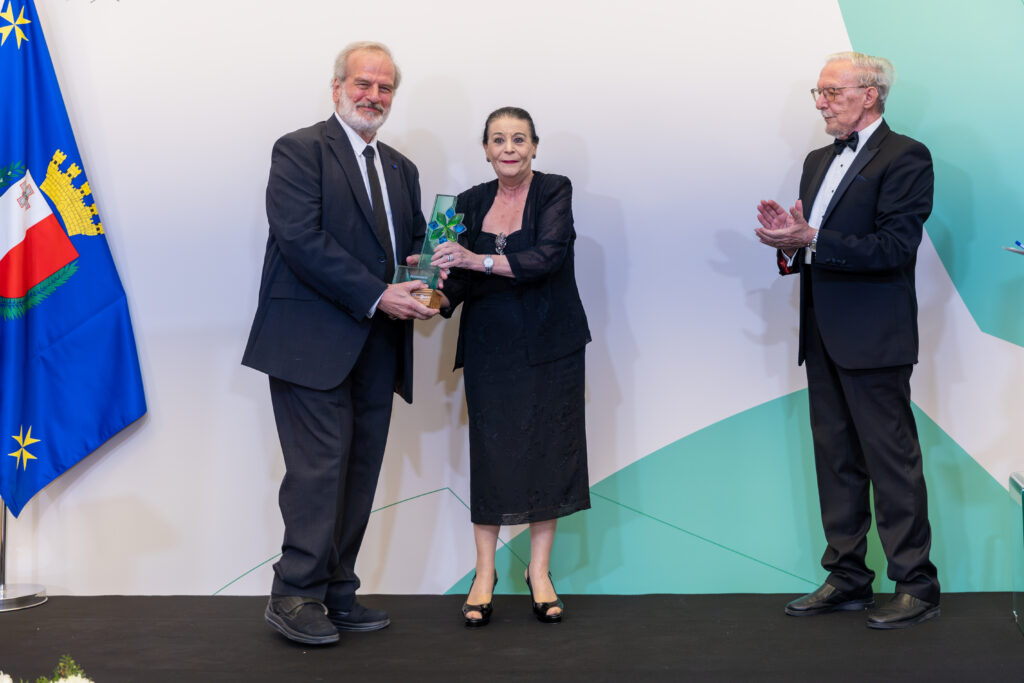
The Environment and Resources Authority honoured one of Malta’s long-standing environmental journalists with the Buonamico Award, which recognises individuals whose actions benefit the environment.

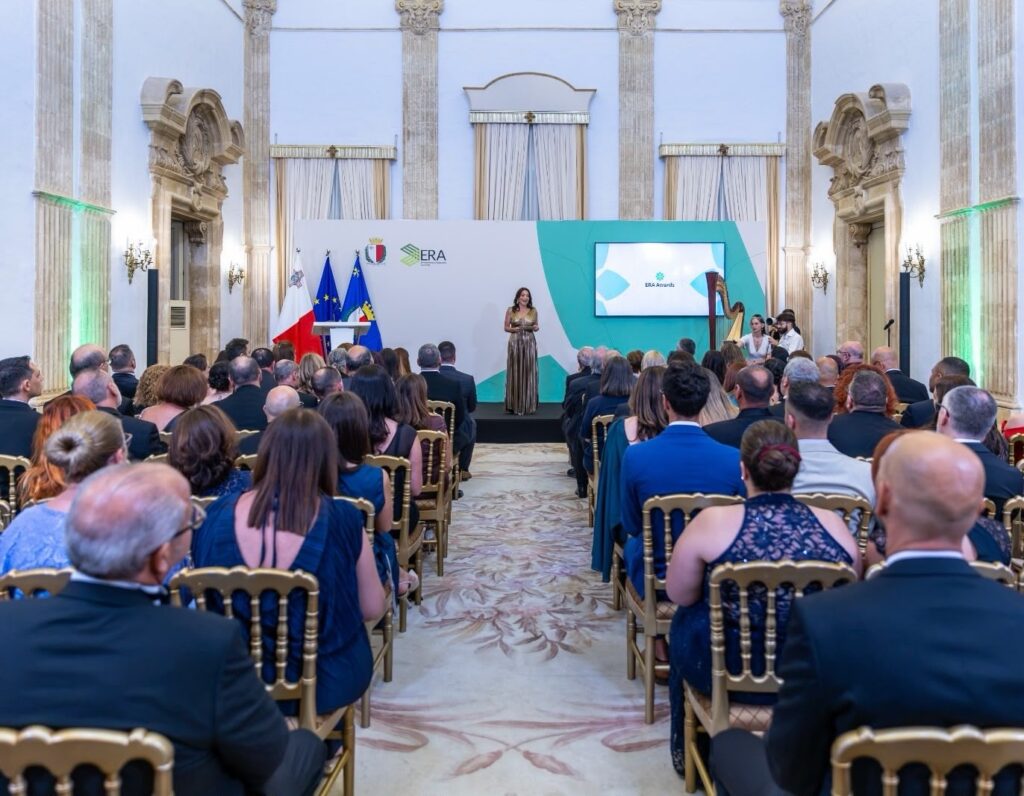
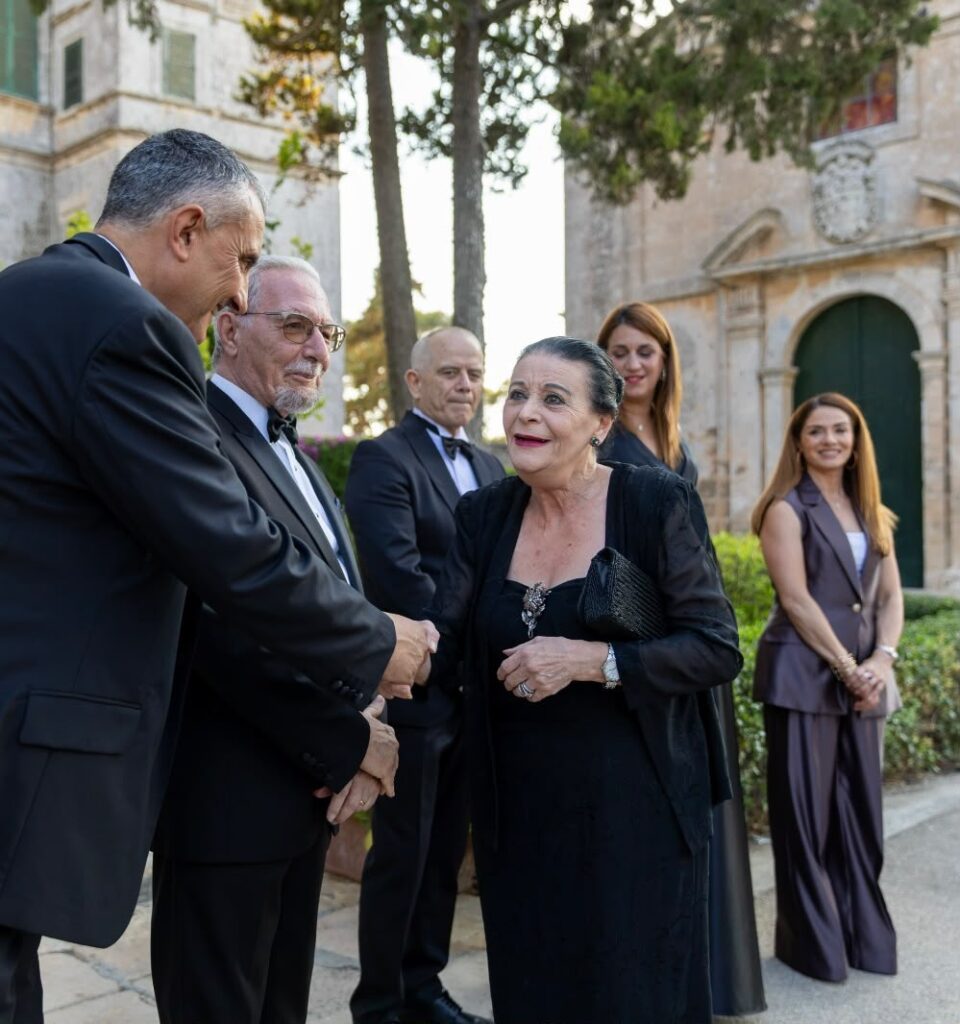
The ERA Awards, organised by the Environment and Resources Authority (ERA) at the Verdala Castle, under the patronage of H.E. Myriam Spiteri Debono, President of Malta, spotlight individuals driving meaningful environmental change.

Anne Zammit (b.1953), an active member of Maltese environmental NGOs since her permanent move to the island in 1971, was awarded the Buonamico Award for her journalism on environmental matters, which until 2019 appeared as a bi-weekly column in The Sunday Times of Malta.

Once in Malta she fully immersed herself in conservation, joining local environmental societies, organising clean-up campaigns and launching environmental publications. She also became a member of the Malta Society for the Study and Conservation of Nature and the Malta Ornithological Society – later BirdLife.

During her speech after awarding the Buonamico Award to Anne Zammit, H.E. Myriam Spiteri Debono, President of Malta, recognised ERA’s role in promoting the conservation and safeguarding the local environment, and its efforts to create a generational change in mentality by fostering commitments to ERA’s mission from all sectors of society.

The President also emphasised the importance of ongoing discussion in Malta to engage and promote active and continuous interchange with citizens in the decision making process that directly impacts our natural and urban environment. It is this interchange that guarantees participation by the populace in decision making processes.

Nature educationalist Saviour Bonnici was awarded with the Special Recognition Award, for his indefatigable role in producing the documentary TV programme ‘Natura Maltija – WildLife Malta’ – now in its 12th year of production. His footage of rare sightings of Maltese weasels or the hatching of loggerhead turtle eggs have reached thousands of Maltese viewers and are used at the school he works in for the pilot subject of Nature Education.

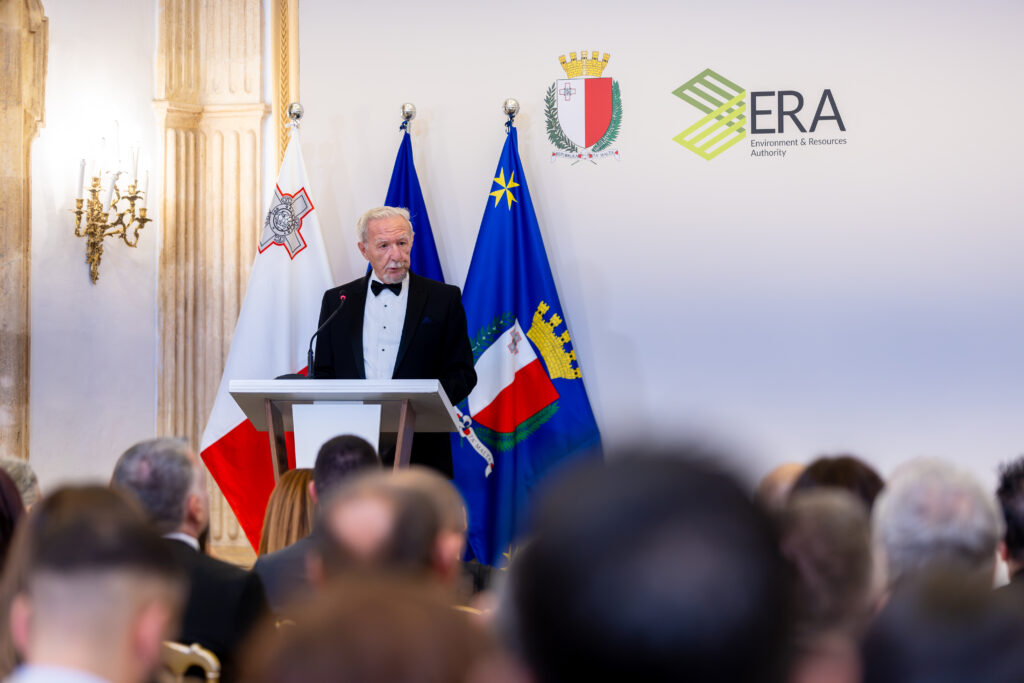
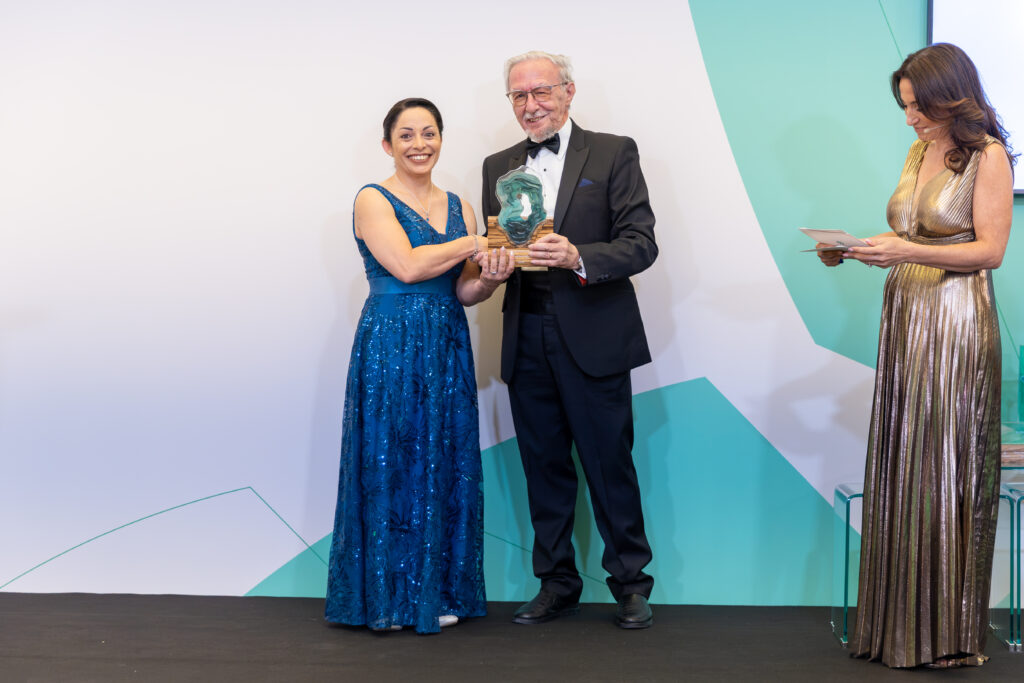
ERA chairman Vincent Cassar hailed this year’s edition of the ERA awards as a special one, with four new awards introduced to recognise people and organisations for their contribution to Maltese biodiversity and environment, apart from the Special Recognition Award, which was introduced in the 2024 edition.

“The variety of projects and initiatives, as well as the diversity of our awardees, confirms the many different facets of the lived experience that is the environment, and the biodiversity that ERA strives to protect,” Vincent Cassar said.

The semiconductor giant STMicroelectronics Malta was awarded the Corporate Award for Environmental Innovation and Sustainability, for having saved over 100,000 cubic metres of raw water consumption through the recycling of industrial wastewater and domestic sewage, instead of being discharged into the public sewer system.

BirdLife Malta was honoured with the Environmental Stewardship Award, having led the restoration of the Salina Wetland, one of Malta’s rarest and most ecologically significant coastal habitats. The 11,300-sq.m wetland was restored following the removal of invasive plant species in favour of indigenous vegetation: in a landmark outcome, the Reed Warbler successfully bred in the area following an absence of 13 years – a clear indicator of improved habitat conditions.

The Foundation for Tomorrow’s Schools received the Green Public Leadership Award for its redevelopment of Msida’s Achille Ferris Primary School, which was reborn as a greener, community-friendly space with new facilities, outdoor areas, and sustainability at its heart.

The St Dorothy’s Senior School in Ħaż-Żebbuġ was awarded the Green School ward for its EkoSkola committee. Awarded six consecutive green flags for its waste separation and food waste projects, the school has now developed organic farming methods for its vegetable patch. As the Award winners in this category ERA will be funding the school’s future project up to 10,000 euro.

Through this support the school intends to carry out restoration on an abandoned greenhouse and invest in systems to bring an old reservoir back into use. This will move their plans from paper to reality and they will be able to grow food in a truly sustainable way, while continuing to educate all students about eco-conscious agriculture, the impact of certain agricultural practices.

28 August 2025